.webp)







Introduction
Valheim is a survival sandbox that rewards preparation, patience, and environmental awareness more than raw reflexes. While its visuals appear simple, the underlying systems are deep and often unforgiving. Many players struggle not because of enemies, but because they underestimate weather, stamina, terrain, and progression pacing.
This guide is written to help players move from early survival struggles to confident mid- and late-game mastery. It focuses on practical strategies for combat, base building, exploration, and boss progression so every expedition feels intentional rather than chaotic.
Understanding Valheim’s Survival Philosophy
Valheim is built around the idea that preparation is power. The game rarely throws unavoidable threats at you; instead, it punishes players who arrive unprepared.
Food, gear, shelter, and rested bonuses are core systems, not optional bonuses. Ignoring them turns even basic enemies into serious threats. Successful players treat every journey as a planned expedition rather than casual exploration.
Once you accept that mindset, Valheim becomes far more manageable.
Early Game Survival and First-Day Priorities
The opening hours set the tone for your entire playthrough. New players often rush into combat or exploration without establishing a safe base.
Early priorities should include:
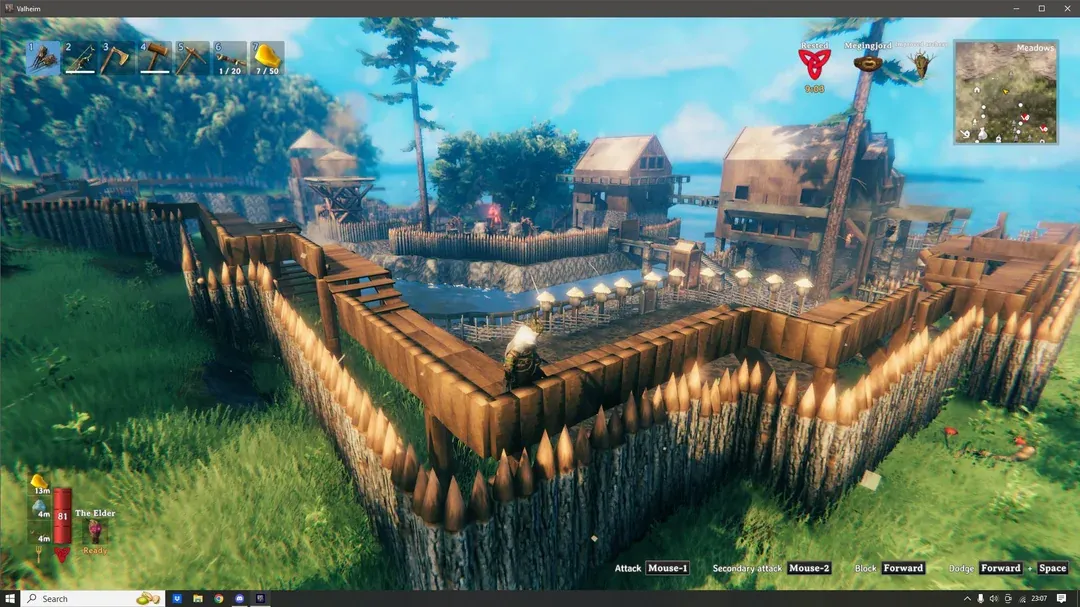
- Building a shelter to gain the rested bonus
- Crafting basic tools and weapons
- Learning to hunt, cook, and manage stamina
A strong early foundation reduces death loops and wasted time later.
Food, Stamina, and Combat Readiness
Food in Valheim directly affects health and stamina pools. Entering combat without proper meals drastically lowers survival chances.
Players should always carry a balanced food loadout that supports their current goal. Exploration favors stamina-heavy foods, while boss fights demand higher health.
Combat readiness begins before the fight ever starts.
Combat Mechanics and Enemy Behavior
Combat in Valheim is deliberate and timing-based. Enemies telegraph attacks clearly, rewarding players who observe patterns instead of spamming attacks.
Blocking, parrying, and positioning are more important than damage output. Terrain plays a massive role — fighting uphill, in water, or at night dramatically increases danger.
Choosing when and where to fight is a skill in itself.
Building a Functional and Defensible Base
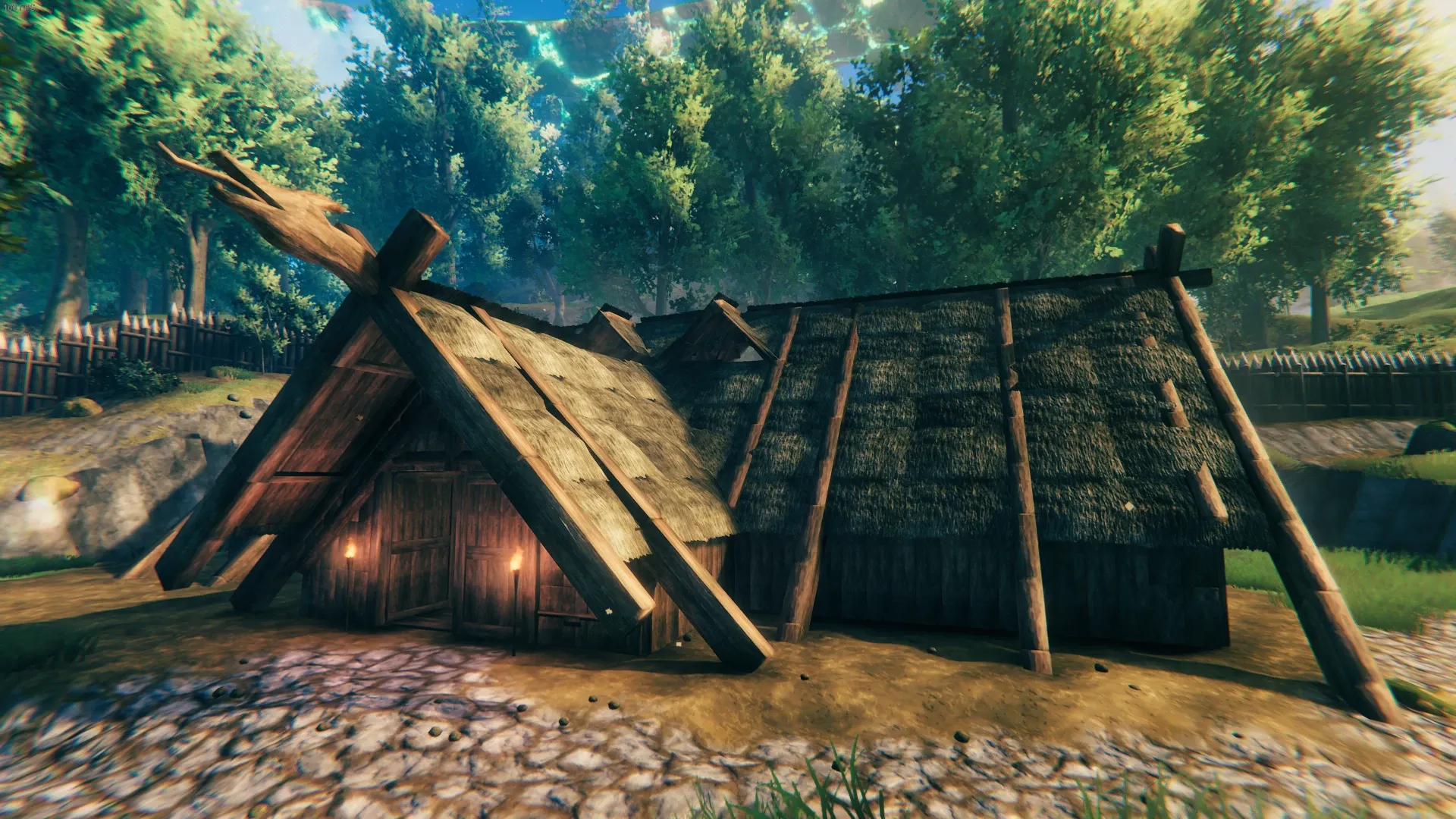
Bases are more than storage hubs. They provide safety, crafting progression, and long-term efficiency.
A good base location balances access to resources, defensibility, and expansion potential. Overbuilding too early wastes resources, while underbuilding creates constant inconvenience.
Smart layouts reduce travel time and improve productivity.
Exploration, Biomes, and Risk Assessment
Each biome introduces new threats and mechanics. Rushing into advanced biomes without upgraded gear is one of the most common mistakes.
Before entering a new biome, ensure:
- Proper armor and weapons
- Resistance meads if necessary
- A retreat plan and portal access
Exploration should always be calculated, not impulsive.
Gear Progression and Crafting Strategy
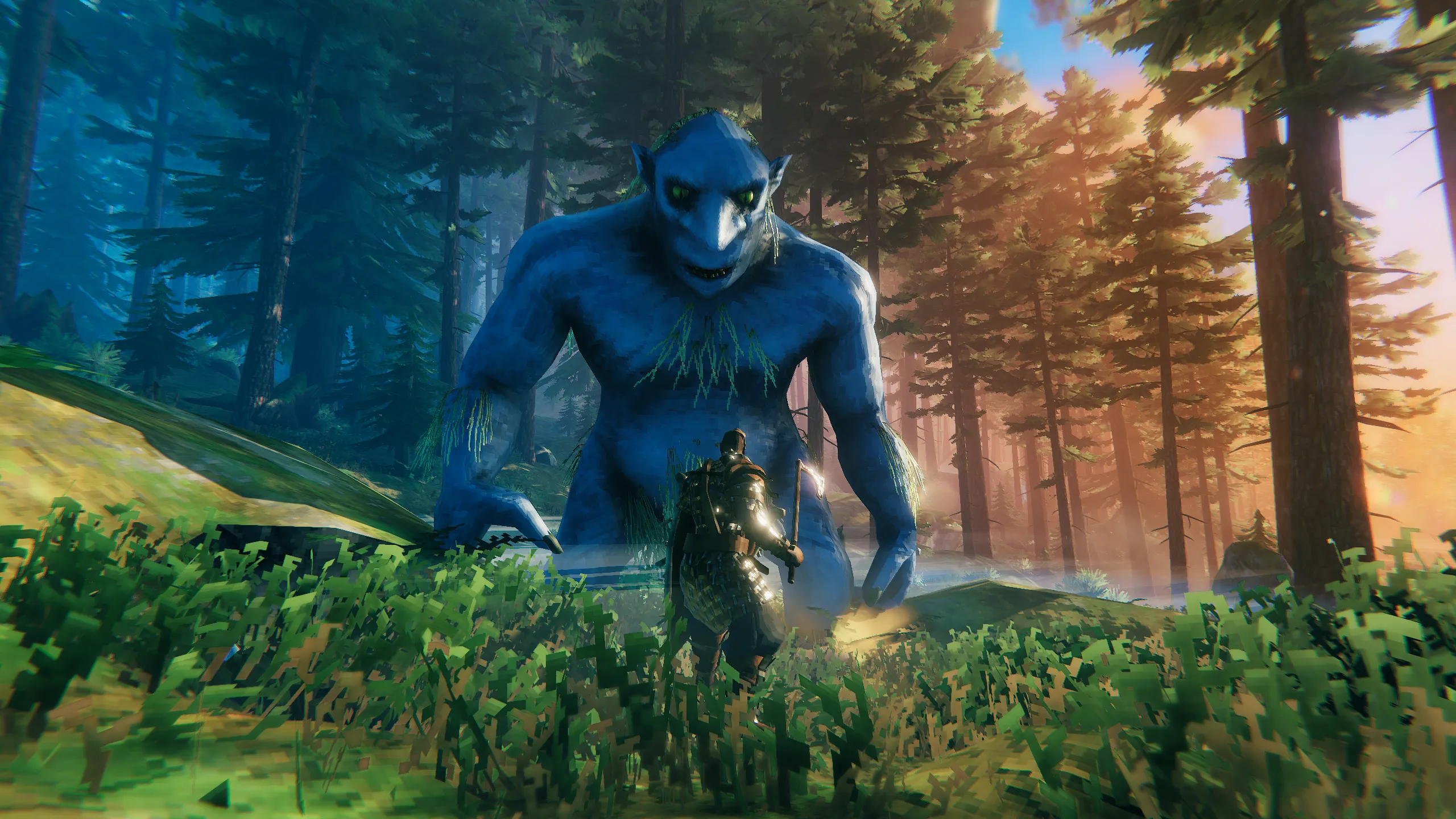
Valheim’s crafting system encourages incremental upgrades rather than sudden power spikes. Fully upgrading gear within a tier often matters more than unlocking the next tier quickly.
Focus on maximizing current equipment before advancing biomes. This approach reduces difficulty spikes and resource waste.
Crafting smart saves time and lives.
Boss Progression and Preparation
Bosses are major progression gates. Each boss tests mastery of the biome before it.
Preparation includes:
- Best available food
- Upgraded gear
- Potions and resistance meads
- Cleared terrain and safe arenas
Players who rush bosses often hit progression walls that feel unfair but are entirely avoidable.
Sailing, Portals, and World Navigation
As the world expands, logistics become a challenge. Sailing introduces risk, but also unlocks vast new opportunities.
Portals drastically reduce travel time but cannot transport metals, forcing players to plan supply chains carefully. Learning when to sail and when to portal is essential for efficiency.
Logistics mastery separates experienced players from frustrated ones.
Late Game Scaling and Multiplayer Considerations
In the late game, enemy damage scales sharply, and mistakes become costly. Players must rely on mechanics, not brute force.
In multiplayer, enemy health scales with player count, making coordination critical. Poor teamwork often leads to wipes even with strong gear.
Late-game Valheim rewards discipline and cooperation.
Conclusion
Valheim is a game about respect — respect for its systems, its environments, and its pacing. Players who slow down, prepare properly, and learn from mistakes find a deeply satisfying survival experience.
By mastering food management, combat fundamentals, base building, and biome progression, players can transform Valheim from a harsh wilderness into a conquered Viking afterlife.
160-Character Summary
A complete Valheim guide covering survival basics, combat, building, exploration, boss prep, and late-game strategies for consistent success.